

{{item.Subject}}
Vehicle Spotlight
Learn about events, happenings and more
Remember when Toyota built a 5.0-litre V8, then went racing with it?
Wednesday, 07 October 2026 | James Coleman
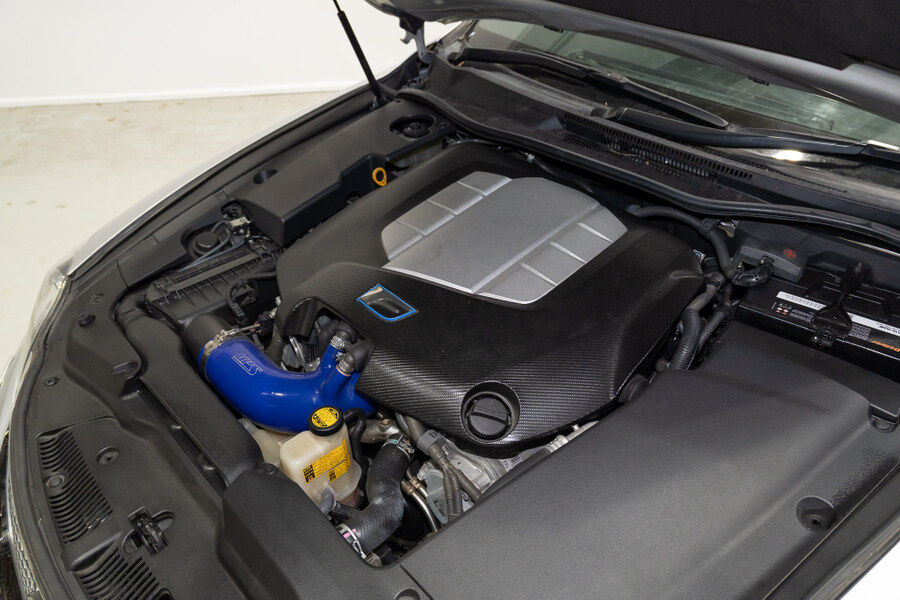
Ford. Chevy. Mercedes-Benz. Jaguar. These are the sorts of brands you'd expect to build monstrous 5.0-litre V8s.
But the studious, sensible kid has also just brought a heaving python into class for show-and-tell.
Yep, Toyota built one too, with help from Yamaha - capable of revving beyond 7000rpm and eventually going on to win the Dakar Rally.
Engine boffins will know it by its considerably more boring codename, 2UR-GSE, and the reason we bring it up is there's one sitting under the bonnet of a 2010 Lexus IS F currently up for auction at CARBIDS Sydney.
Here's the story of how the brand famous for hybrids and sensible family cars also dabbled in pure, unadulterated muscle.
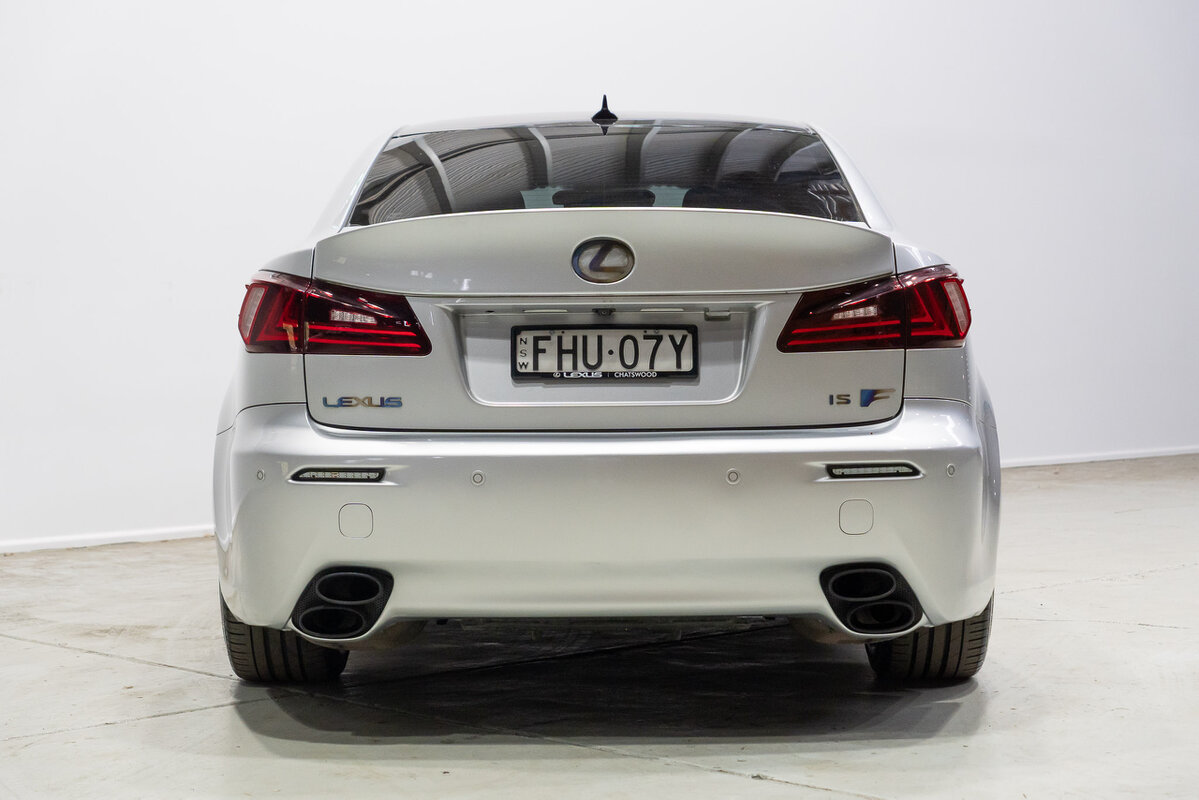
Those stacked exhausts pipes mean business.
So what possessed Toyota?
The story starts in the mid-2000s, when Lexus decided being known for beautifully built luxury cars that rarely broke wasn't enough. It wanted to take on BMW M and Mercedes-AMG at their own game.
The result was the IS F, unveiled in 2007 as the first model from what would become Lexus's F performance division.
Toyota already had the foundations for its engine. The UR family of V8s included the 5.0-litre 2UR-FSE used in the considerably more stately Lexus LS600h and Toyota Century, but turning that into something suitable for an M3 rival required rather more than fitting a loud exhaust and an F badge.
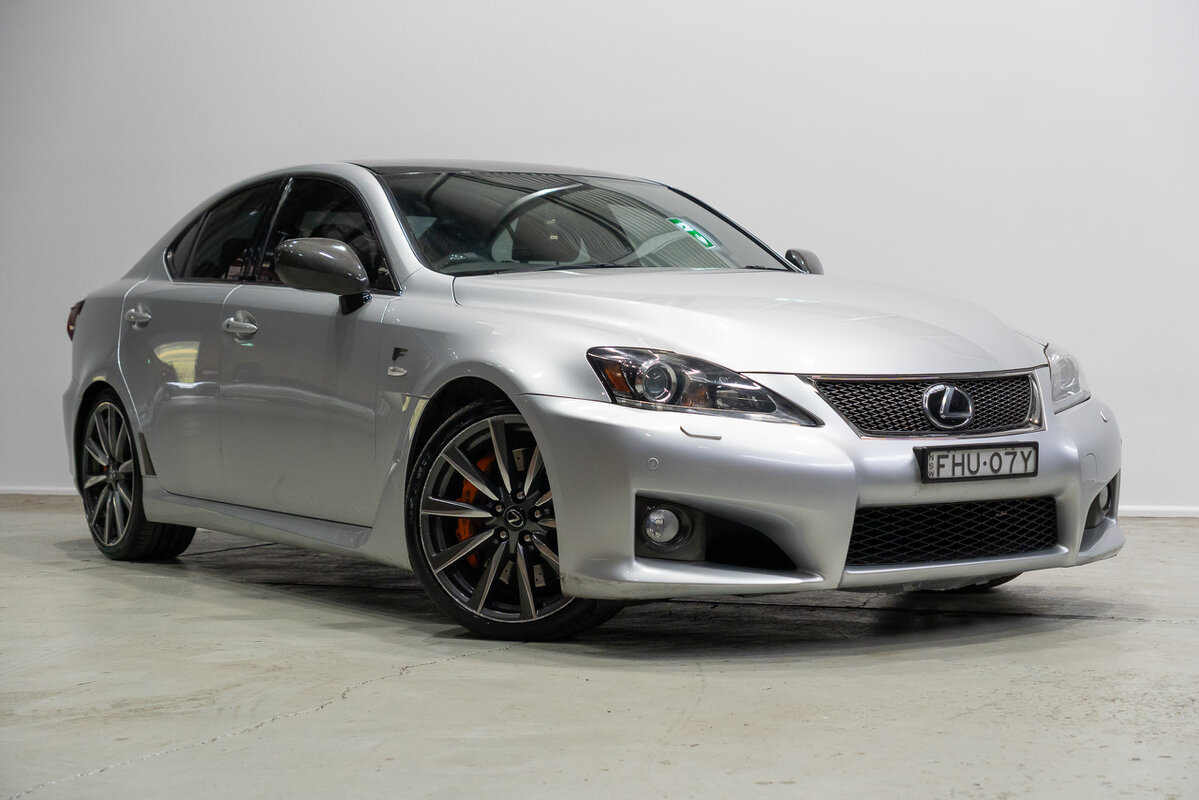
The 2010 Lexus IS F, on auction at CARBIDS Sydney.
So Toyota called Yamaha. Surely a company that makes pianos and racing motorbikes in the same breath would know how to help.
Accordingly, Yamaha developed the high-flow cylinder heads, larger ports, titanium intake valves and higher-lift cams that allowed the V8 to breathe properly at high revs. Toyota then added direct and port fuel injection, variable valve timing and an oil-scavenging system designed to maintain oil pressure during sustained hard cornering.
The result was 311kW and 505Nm from 4969cc, delivered without a turbocharger or supercharger anywhere in sight.
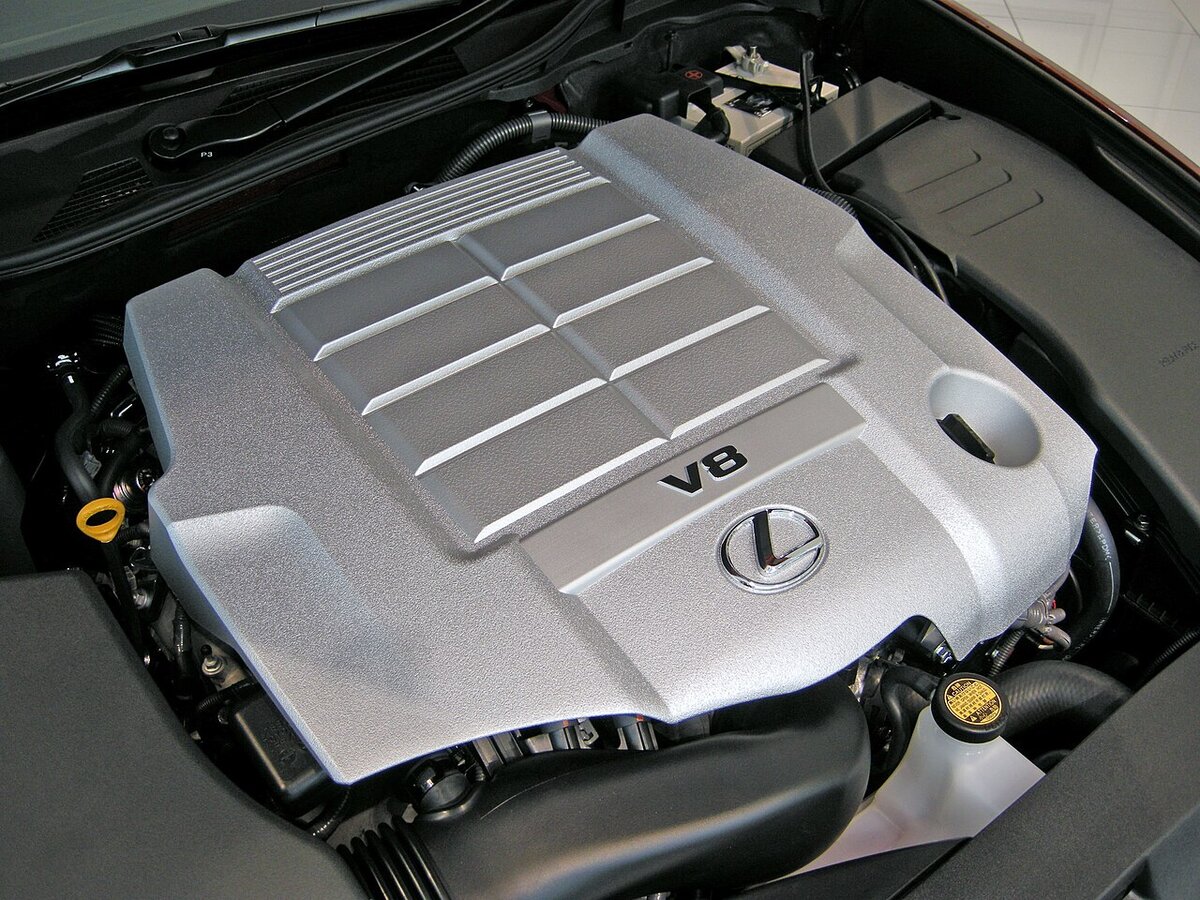
The 1UR-FSE engine in a Lexus GS460. Photo: Wikimedia Commons.
Its racing CV
The 2UR-GSE didn't disappear with the IS F.
It went on to power some of Lexus's greatest hits, including the RC F, GS F, LC500 and IS500, with later versions gaining a higher compression ratio, more power and the ability to spin beyond 7000rpm.
Then somebody decided it would also work wonders in a Toyota HiLux.
Toyota Gazoo Racing South Africa used the 2UR-GSE as the basis for the naturally aspirated 5.0-litre V8 in its Dakar HiLux, mounted behind the front axle and adapted for the rather different job of spending two weeks being belted across deserts.
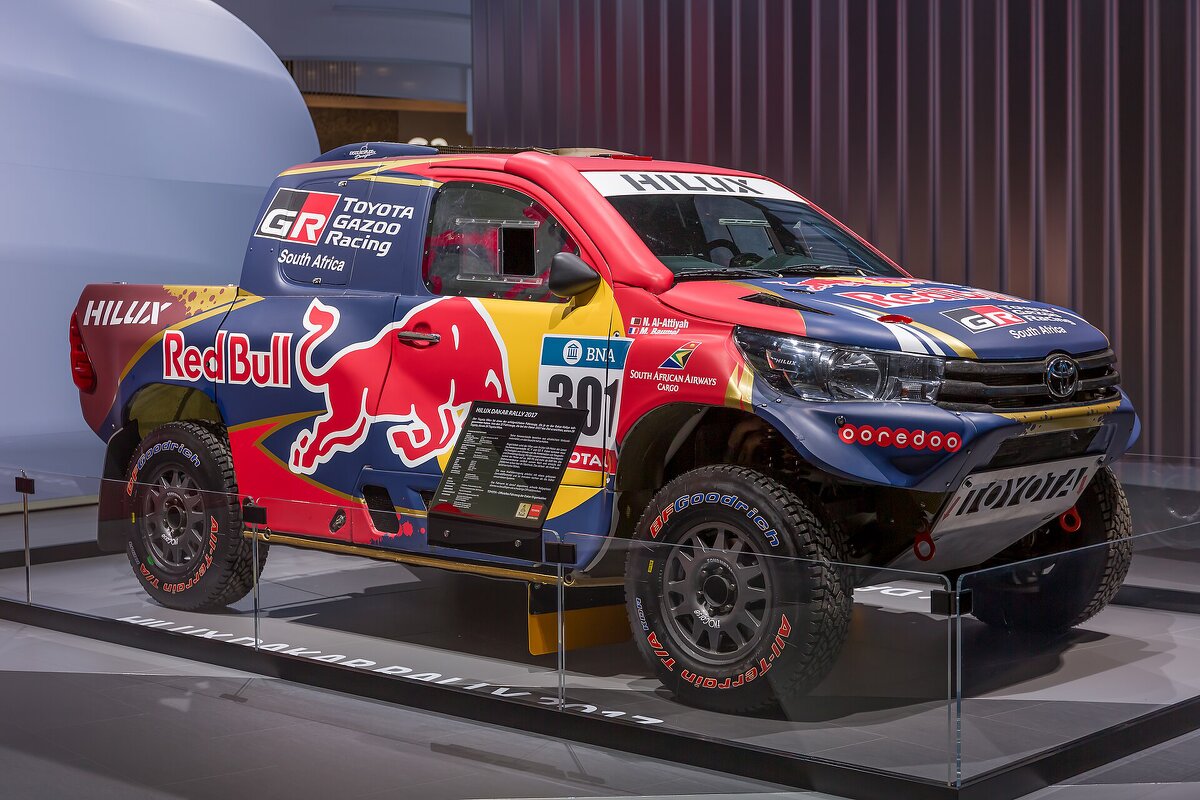
Toyota's V8-powered Dakar-winning HiLux. Photo: Matti Blume, Wikimedia Commons.
And it worked. In 2019, Nasser Al-Attiyah and Mathieu Baumel drove it to outright victory - Toyota's first overall Dakar win since it first entered the race in 1979.
Toyota has since switched its Dakar HiLux to twin-turbo V6 power, but apparently retirement wasn't on the V8's agenda. The 2UR-GSE has now also provided the basis for the V8 powering Toyota's GR Supra in the Australian Supercars Championship.
Toyota didn't forget about reliability either
Perhaps the only Toyota thing about the 2UR-GSE is that despite the performance, high revs and motorsport career, it has also developed a reputation for being remarkably dependable.
It's not indestructible. One of the better-known problems as these engines age is coolant leakage around the valley plate beneath the intake manifold - not necessarily catastrophic, but labour-intensive to reach. Water pumps and occasional oil leaks can also become issues.
But there's no infamous mechanical grenade hiding inside waiting for a particular odometer reading.
And nearly two decades after it first appeared, the 2UR-GSE is still in use in recent Lexus models, including the IS500 and LC500 - long after most rivals had embraced smaller turbocharged engines.
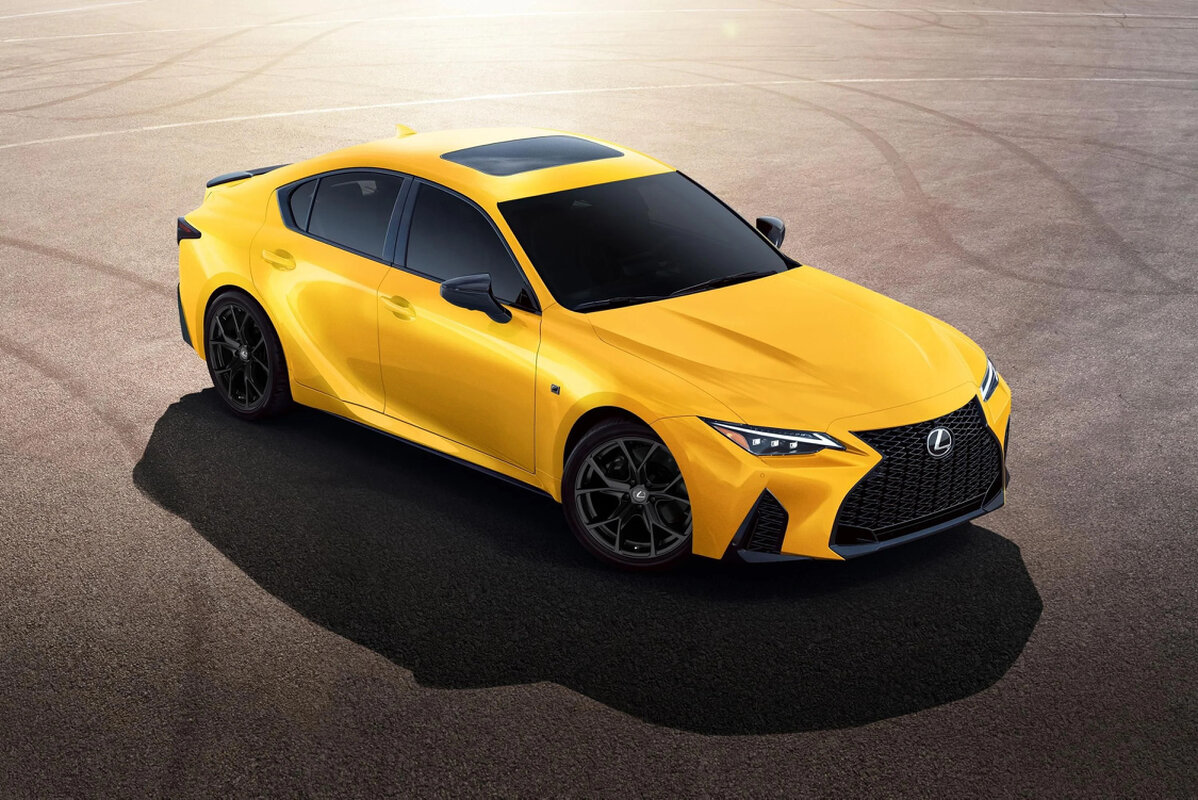
The Lexus IS500, in limited-edition Special Appearance Package form (which unfortunately never made it to Australia). Photo: Lexus.
Which brings us neatly back to the one currently on CARBIDS.
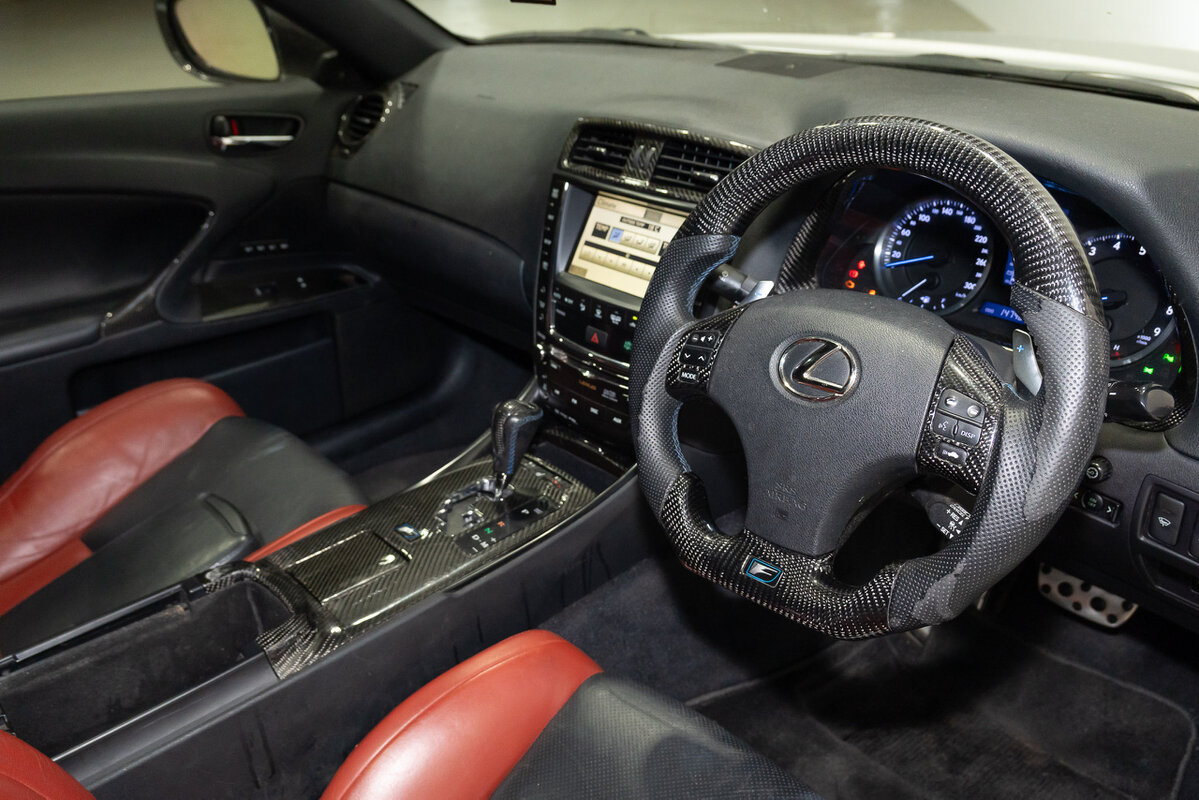
Our 2010 Lexus IS F has travelled 147,401 km and sends its 311 kW through an eight-speed automatic to the rear wheels. Being a used performance car, it isn't without things to attend to - our listing notes heavy power steering, rear tyres requiring replacement, a service due and some cosmetic imperfections. It also appears to have been blessed with a whole Aliexpress shopping cart of faux carbon-fibre trim.
But not for no reason do we describe it as a "future Japanese classic".
|
|