

{{item.Subject}}
New Car Review
Learn about events, happenings and more
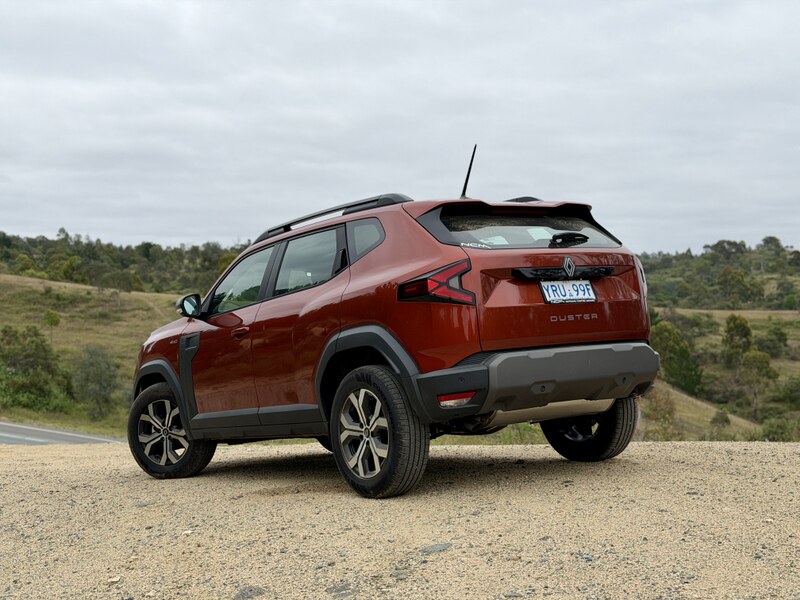
Dacia has finally come to Australia - as the Renault Duster. Good news?
Friday, 27 November 2026 | James Coleman
Ever since a certain long-haired, stripey-shirted man espoused his love for Dacia on public television – repeatedly – the motoring world has taken an almost cultish liking to the otherwise little-known Romanian car brand.
And we don't need to remind you of the frequent segments that began with the exuberant words "Good news!"
So everyone in Australia with a vaguely car-veneered bone in their body should be overjoyed that Dacia has brought its first-ever model here – and that it's now under $30,000 drive-away (until 31 December at least). Right?
We borrowed one from National Capital Renault in Tuggeranong to find out.
Swipe or scroll sideways · 7 images
At a glance
Pros
- A genuine 4WD for less than a Jimny-rival should cost
- Light, nimble and properly fun to throw around
- 1500 kg towing and up to 212 mm of ground clearance
Cons
- Gutless low in the revs – drive it gently and you'll stall
- Road-biased tyres give up at the first sniff of sandy gravel
- Basic, noisy, creaky cabin with a key you actually have to twist
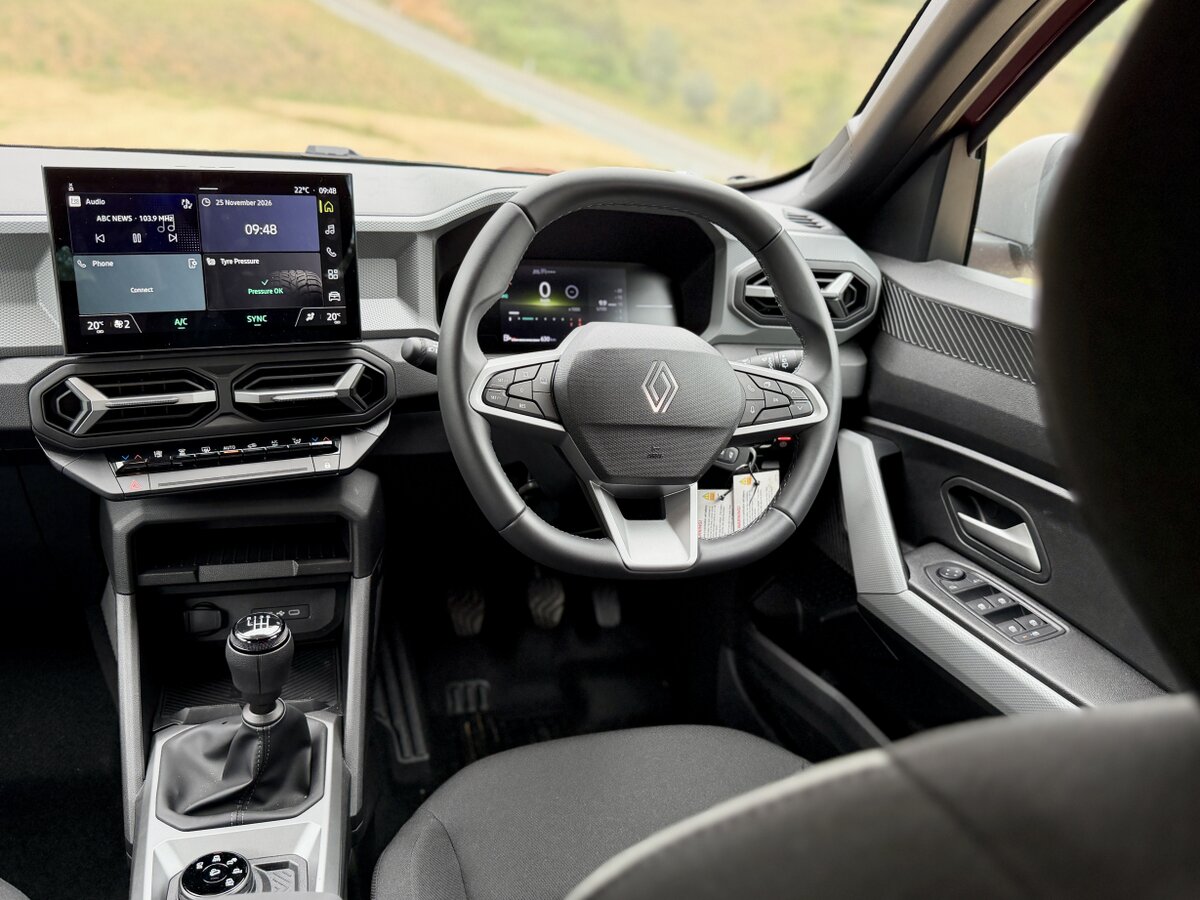
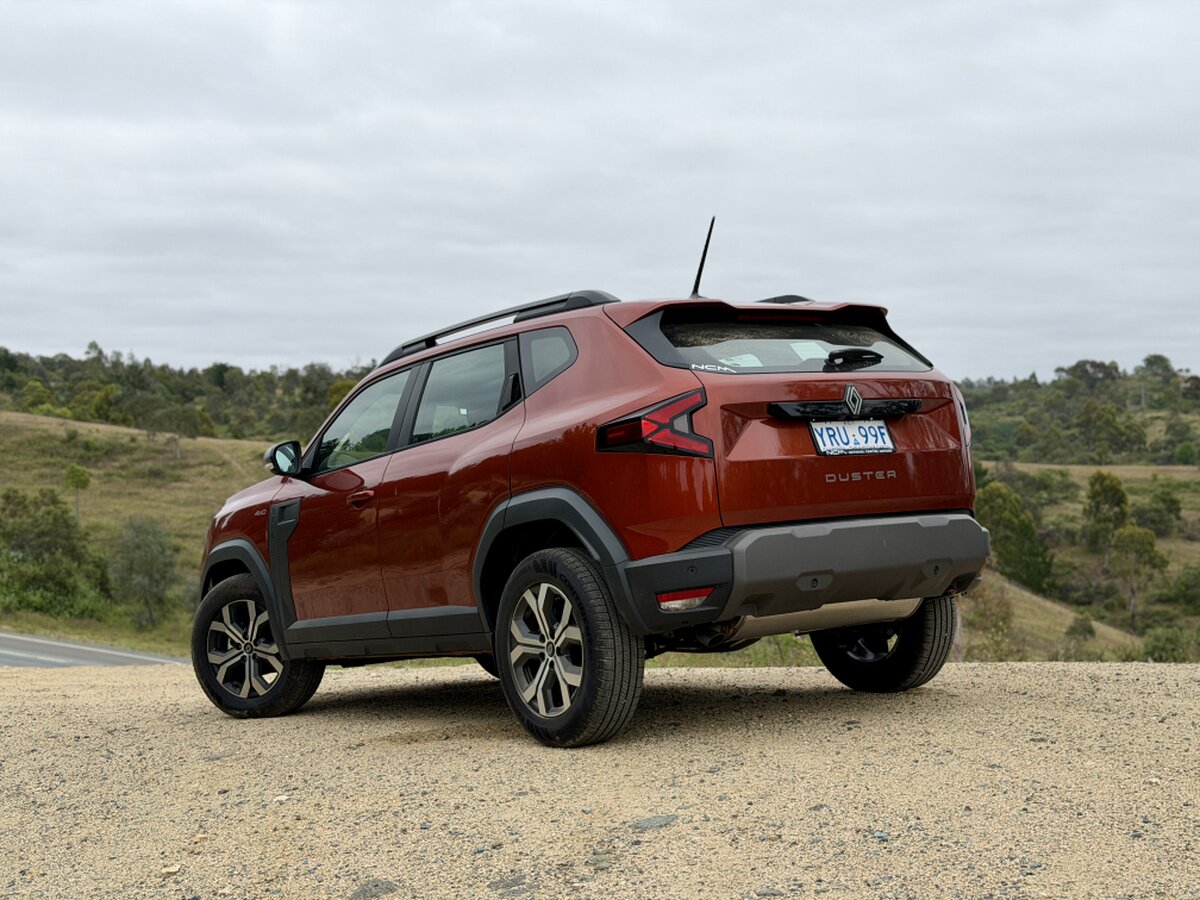
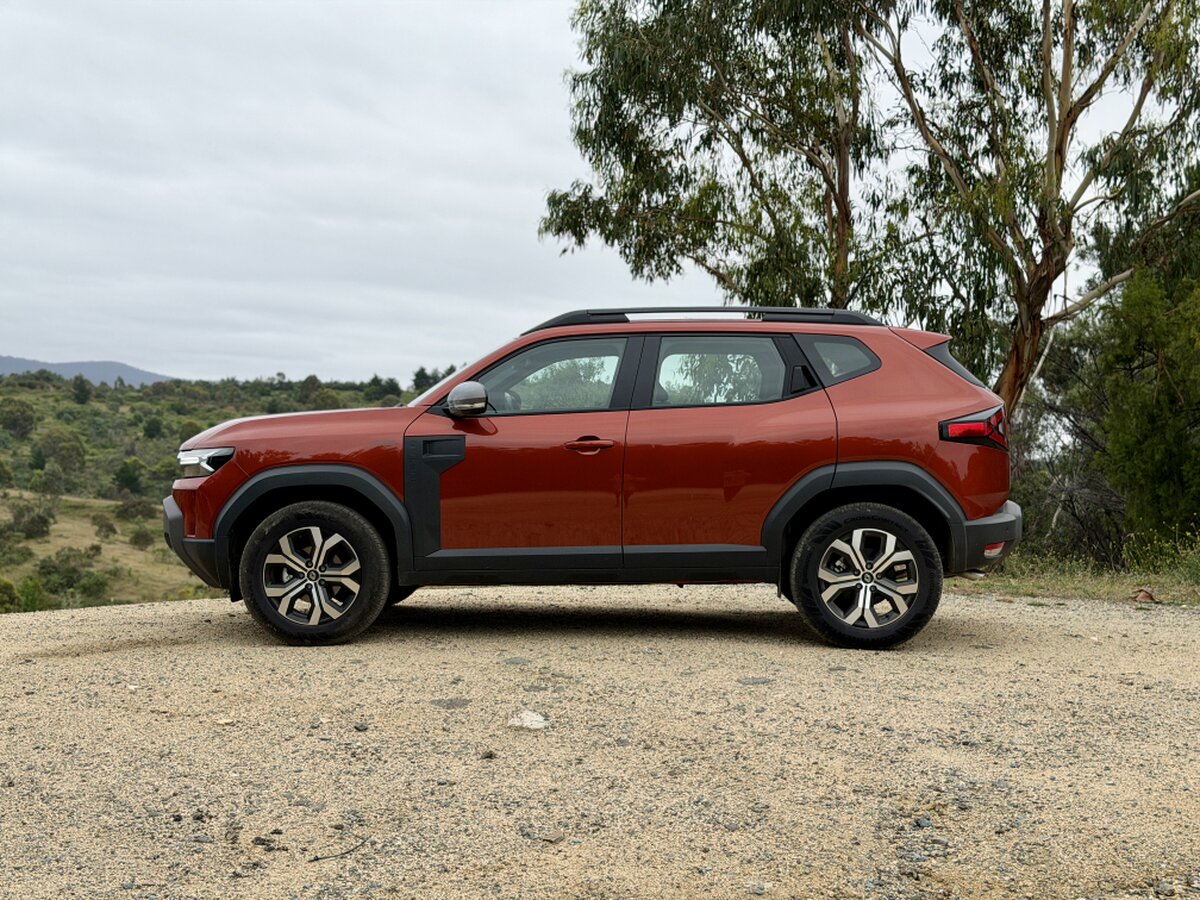
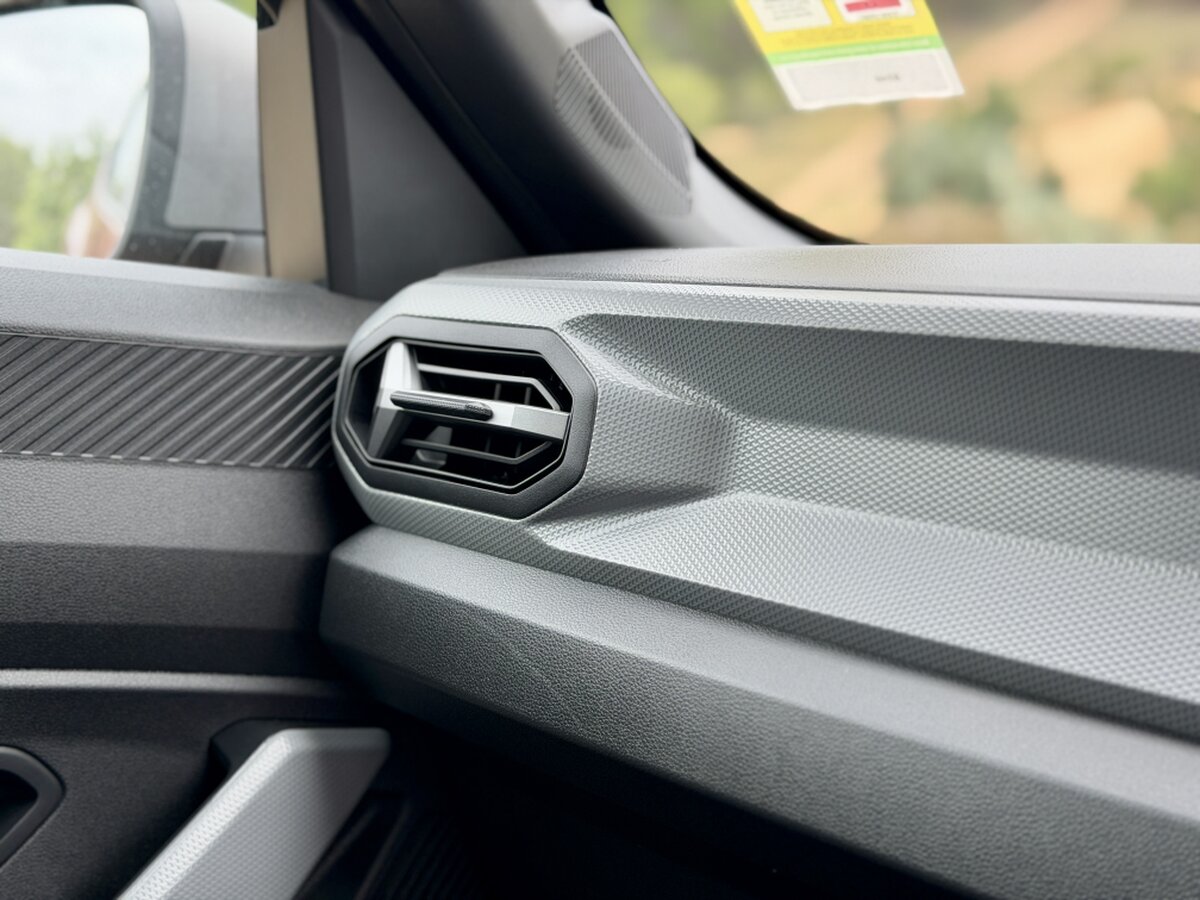
A pleasant design, if not exactly high quality.
What is it?
Technically, it's not a Dacia.
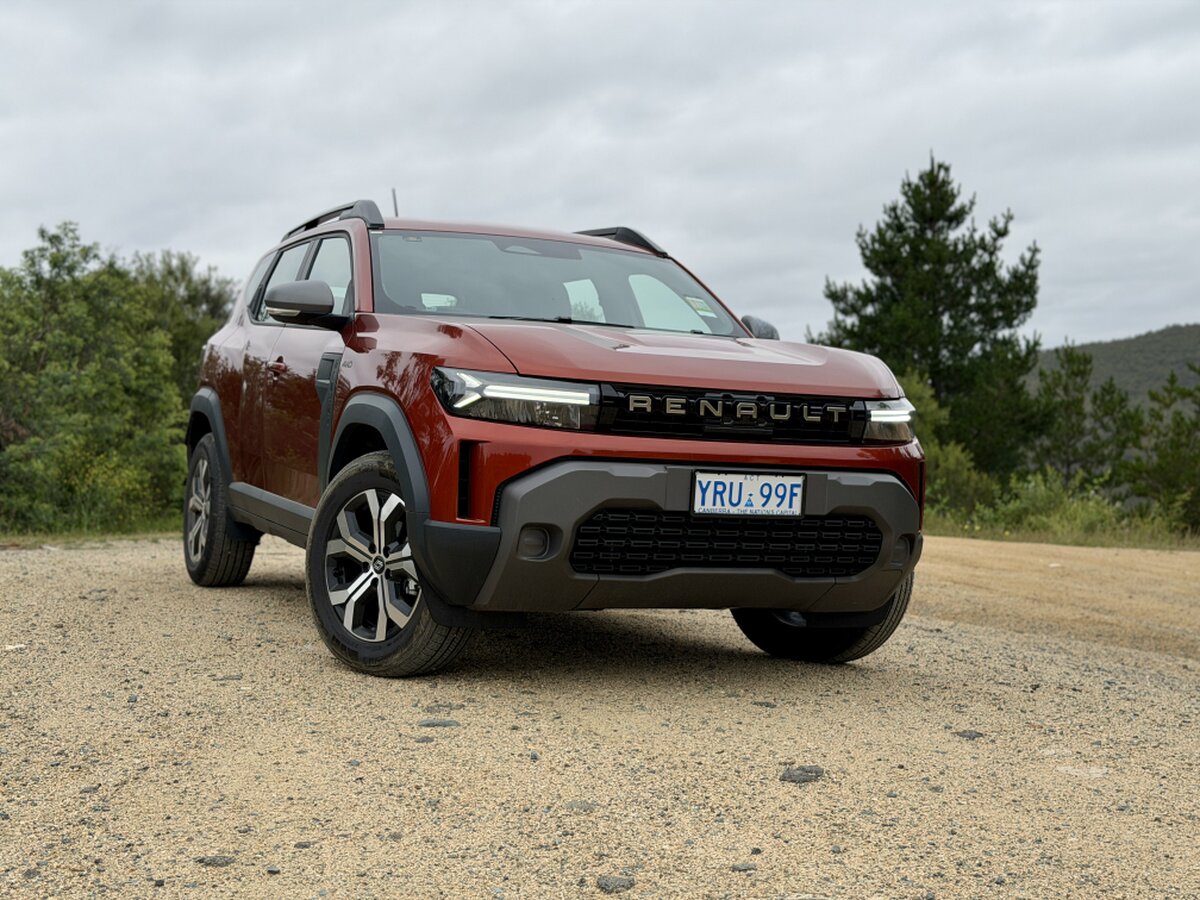
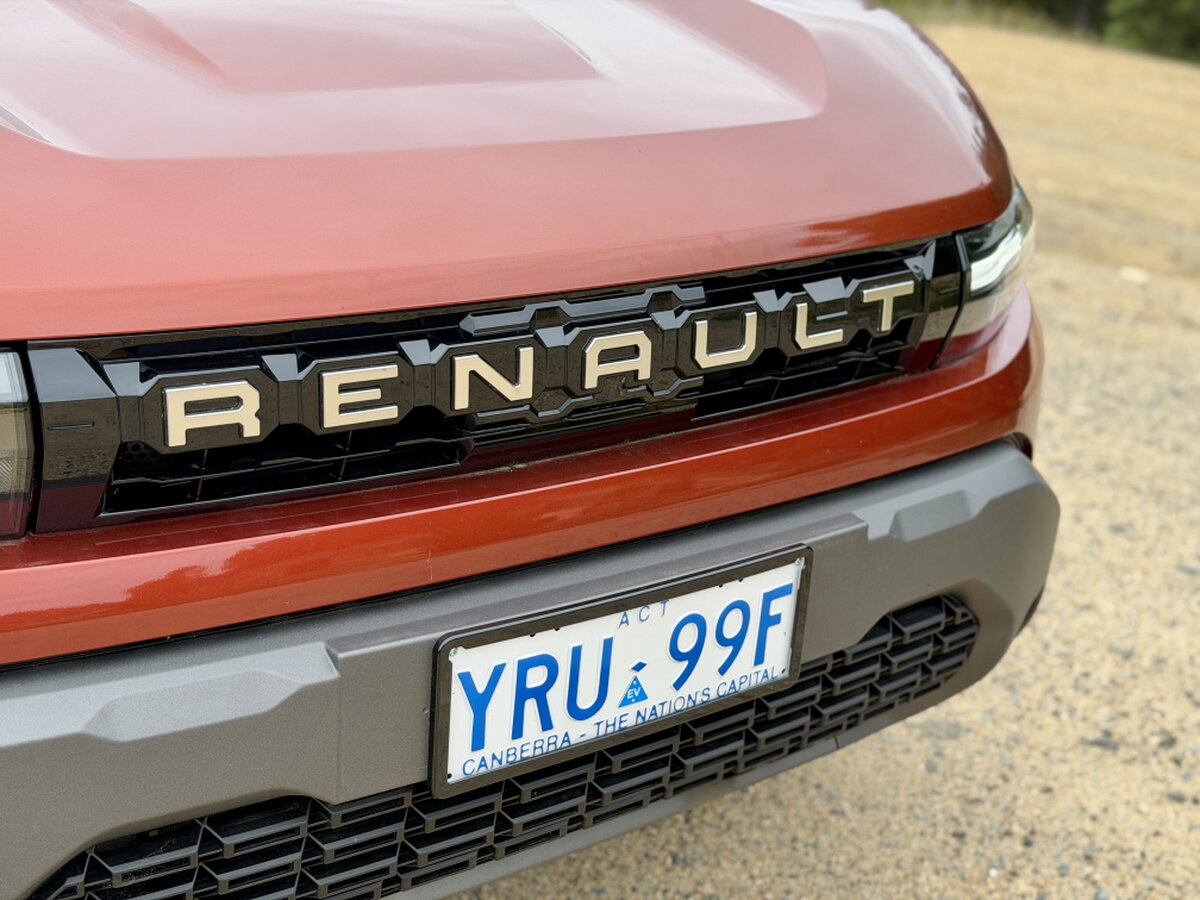
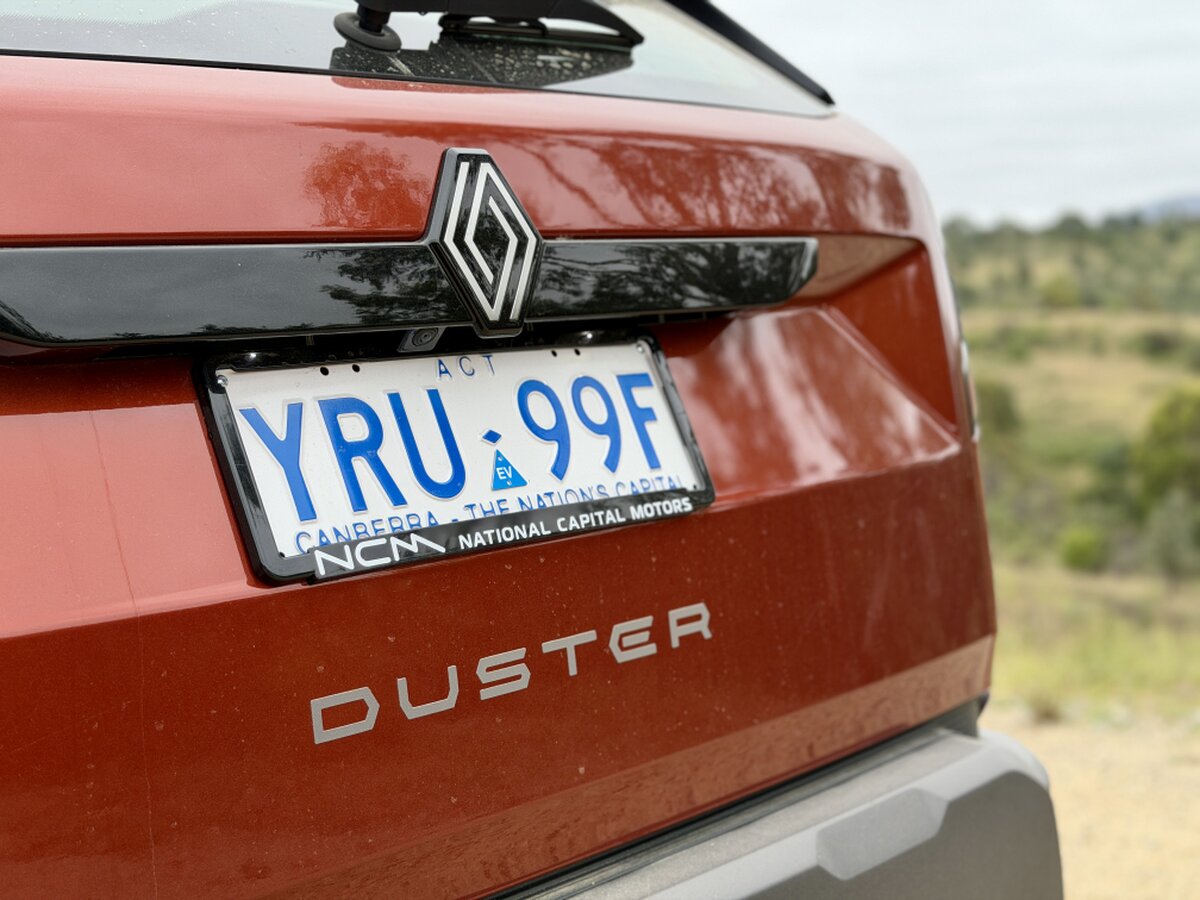
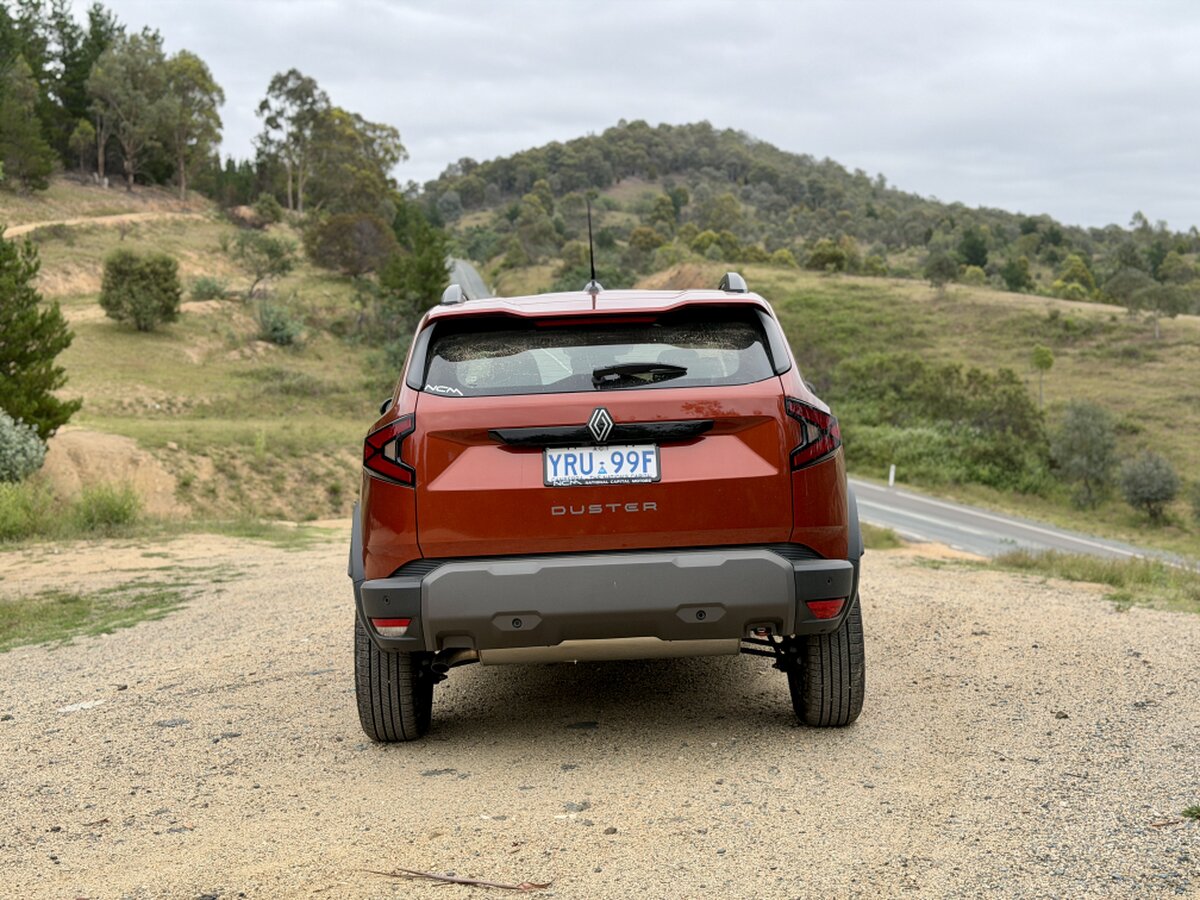
Our Duster SUV wears Renault badges. Renault has owned Dacia since 1999, so it made sense to launch here under a brand that already has a foothold (it's sold as a Renault in South America, India and South Africa, too). Otherwise it's exactly the same car, built in the same Romanian factory.
There are four variants, from $29,990 drive-away for the front-wheel-drive Evolution to about $36,250 for the 4WD Techno, under a promotional deal for private buyers that runs until 31 December.
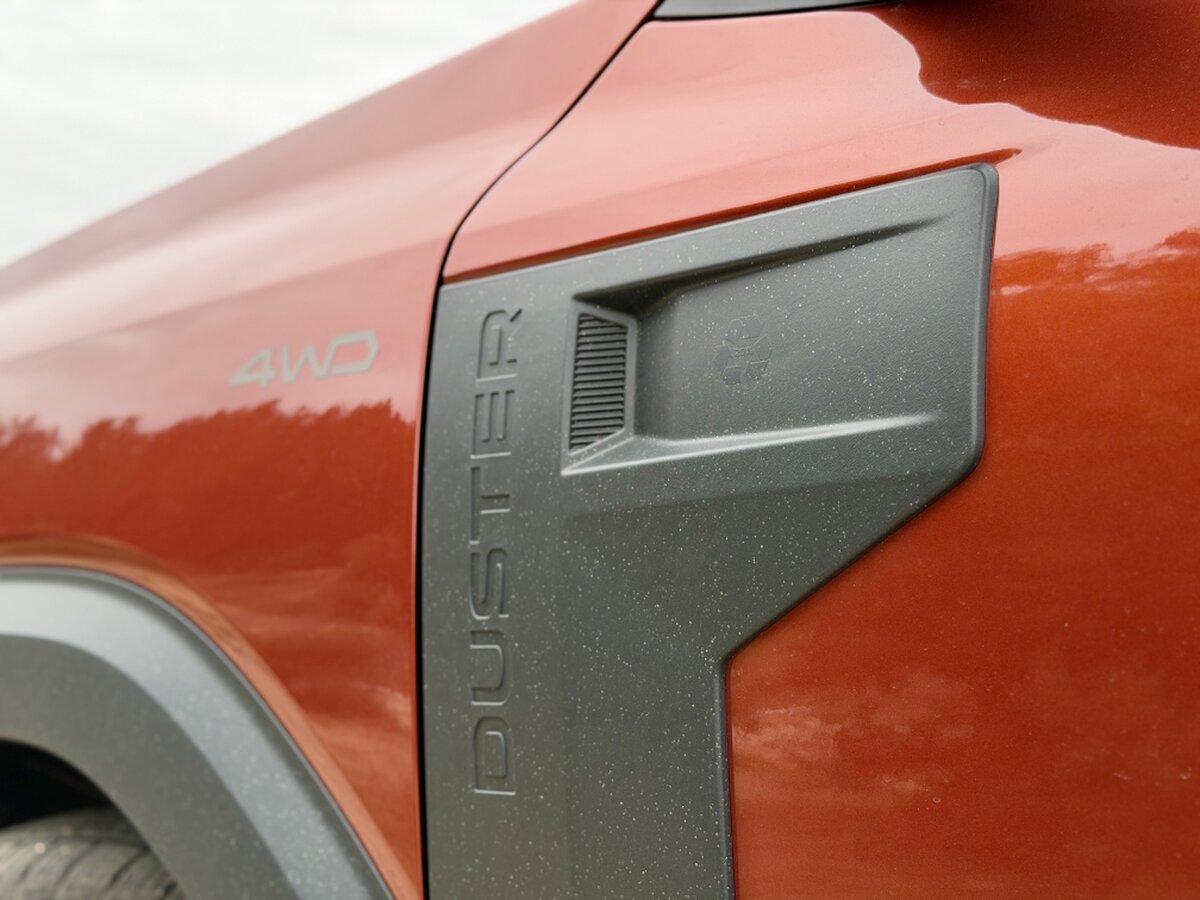
Our test car, the Evolution 4x4, is the cheapest way into a 4WD Duster, at just under $35,000 drive-away.
That places it well under other small SUVs from Mazda, Toyota and even Suzuki – though you'd get more inside a Chinese SUV, like power seats, push-button start and less creaky interior plastics.
Many have likened the Duster to the Suzuki Jimny, as the only similarly priced outdoorsy SUV to offer drive to all four wheels. The Duster also edges the Jimny for ground clearance (up to 212 mm vs 210 mm) and tows more (1500 kg vs 1300 kg).
Swipe or scroll sideways · 7 images
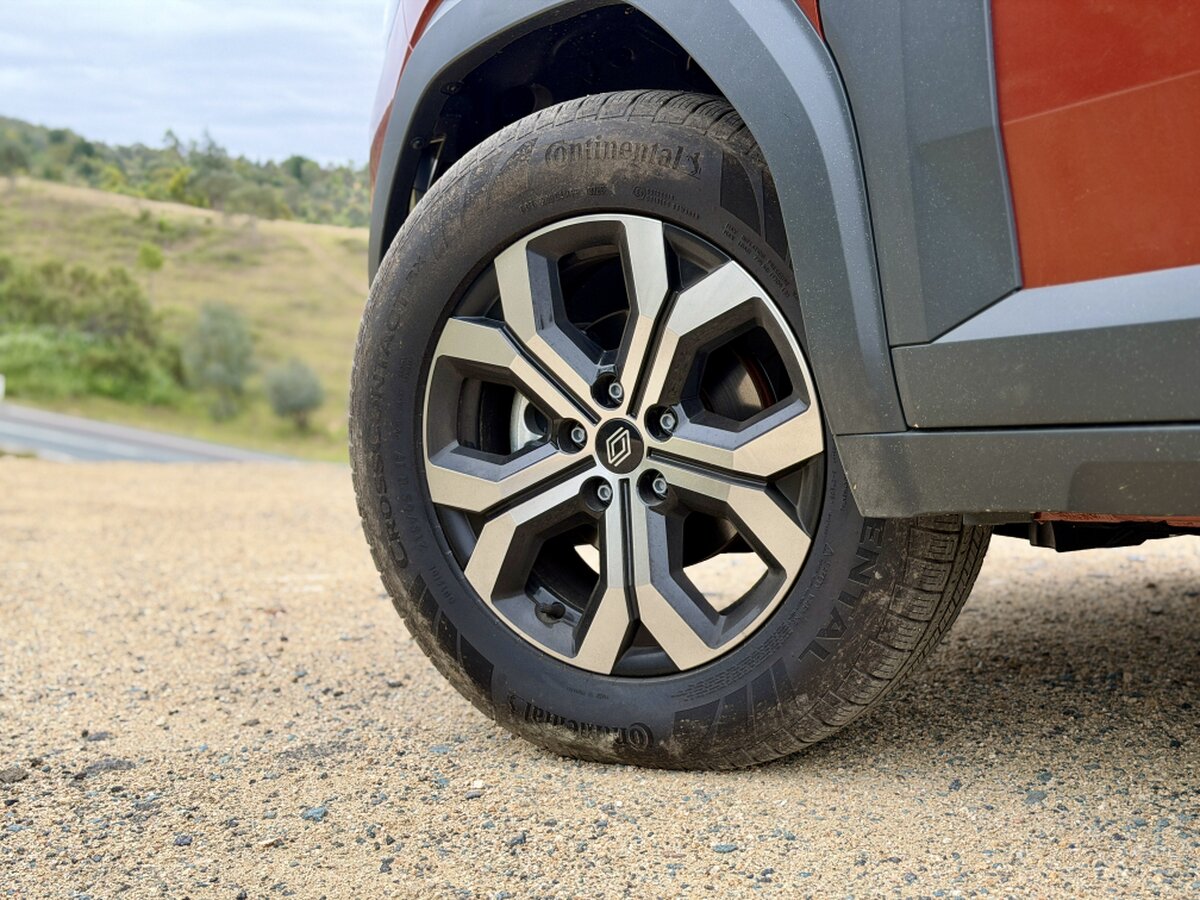
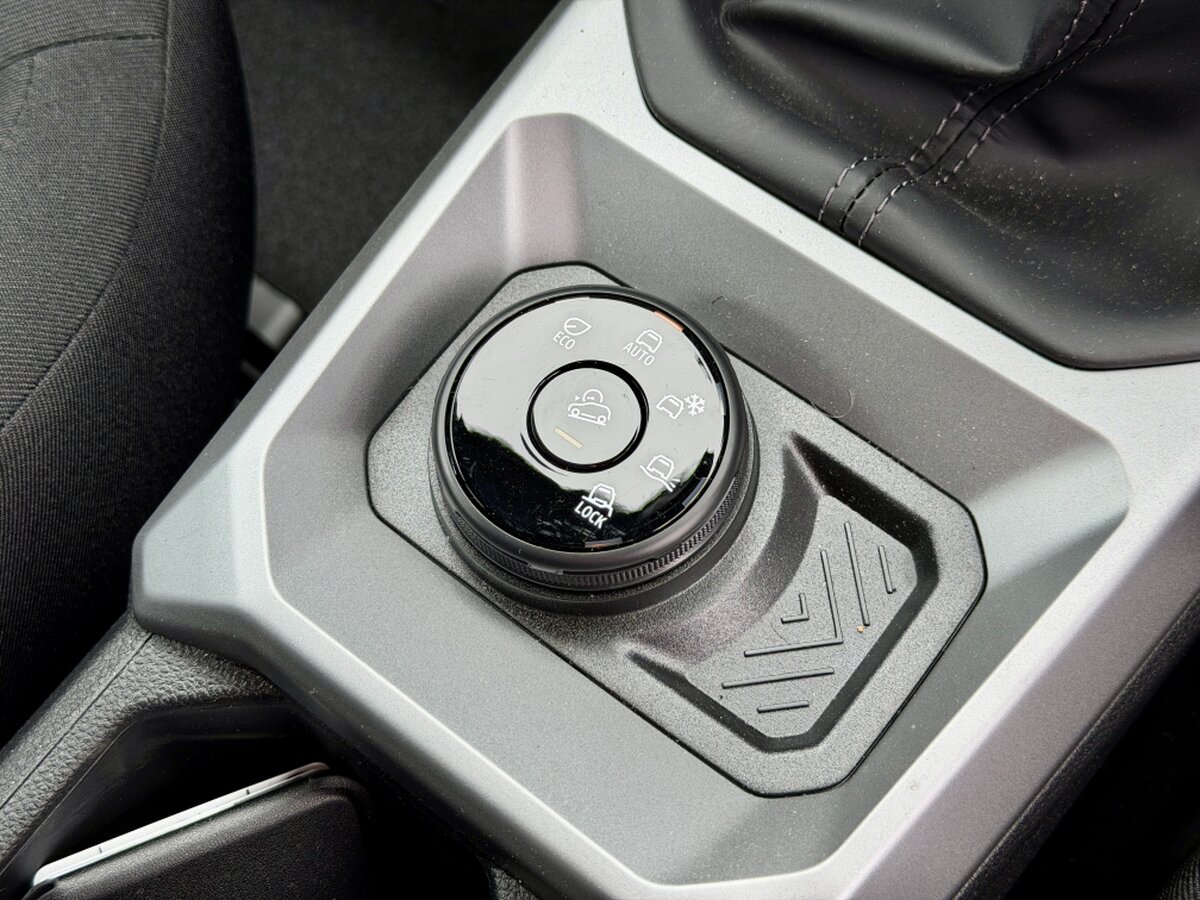
But apart from a '4WD lock' mode, there are no diff locks or low-range gearing, so the Duster isn't exactly following in the Jimny's tracks. The standard all-terrain Continental tyres don't help much either.
The only way it's truly similar is how much power it makes, which is roughly that of a stick blender.
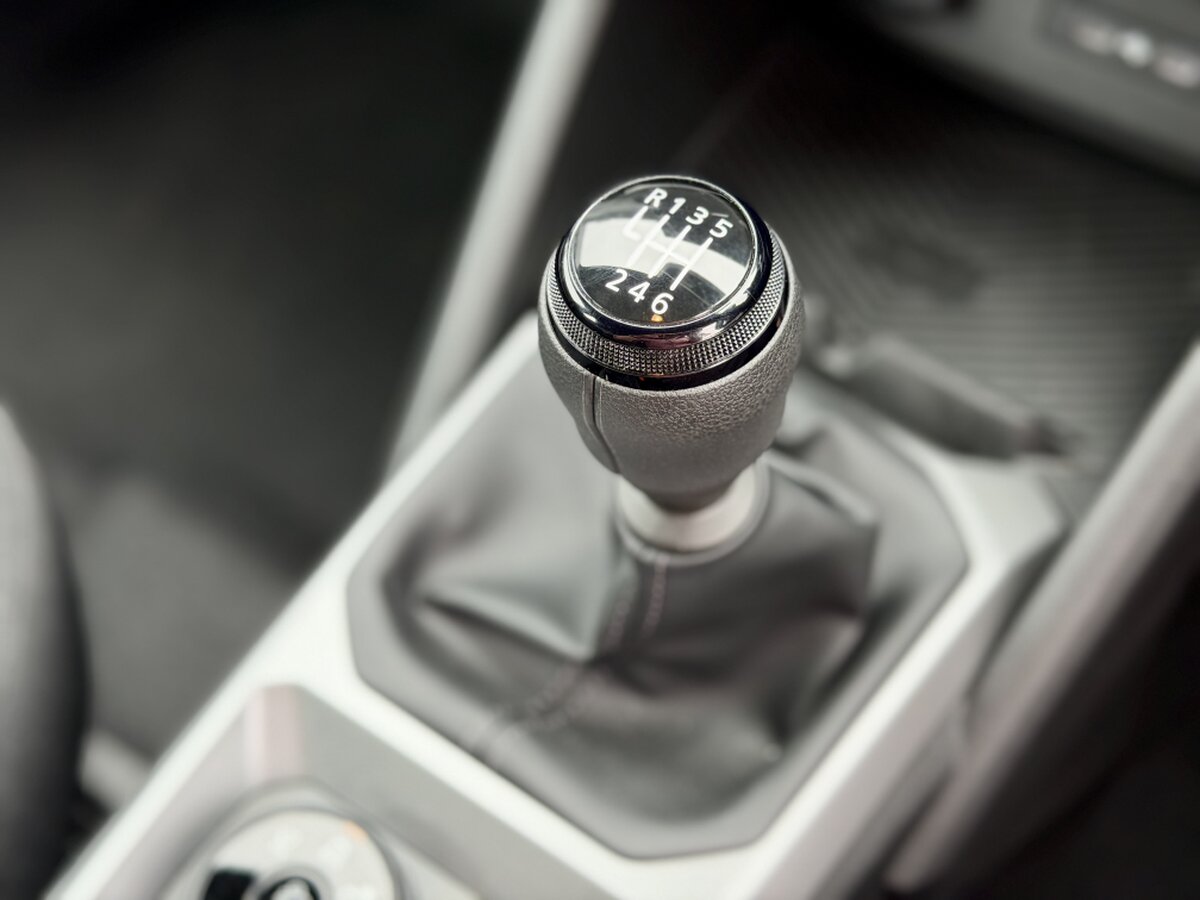
The front-drive models get a 113 kW 1.3-litre turbo petrol with a 7-speed dual-clutch auto. The 4WD gets an even smaller 1.2-litre turbo three-cylinder, with 48-volt mild-hybrid assistance. Total power of 96 kW (and 230 Nm) is your allotment, and only through a 6-speed manual.
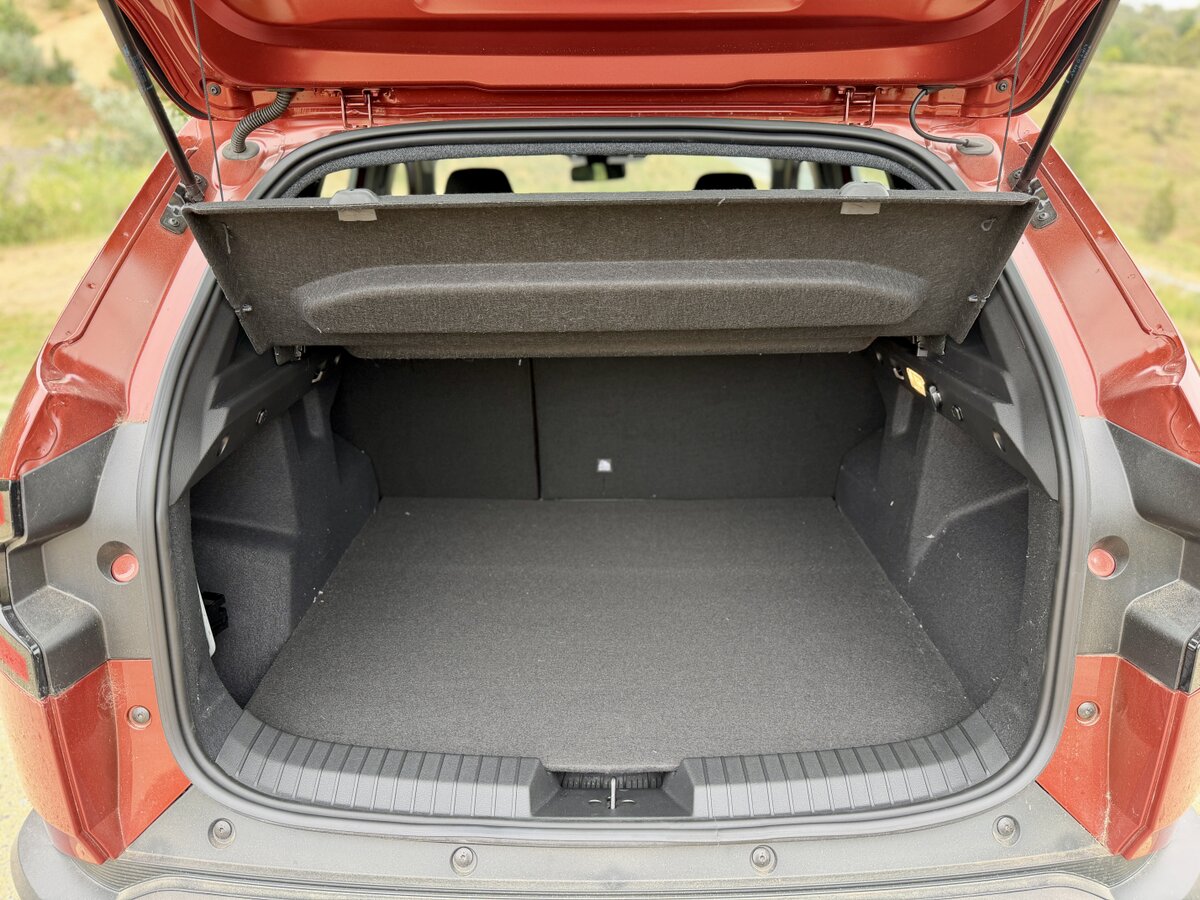
The 4WD hardware also eats into the boot: 358 litres, down from 472 in the front-drive Duster.
And it only scored a 3-star ANCAP rating, not that you'll ever be going fast enough for this to matter.
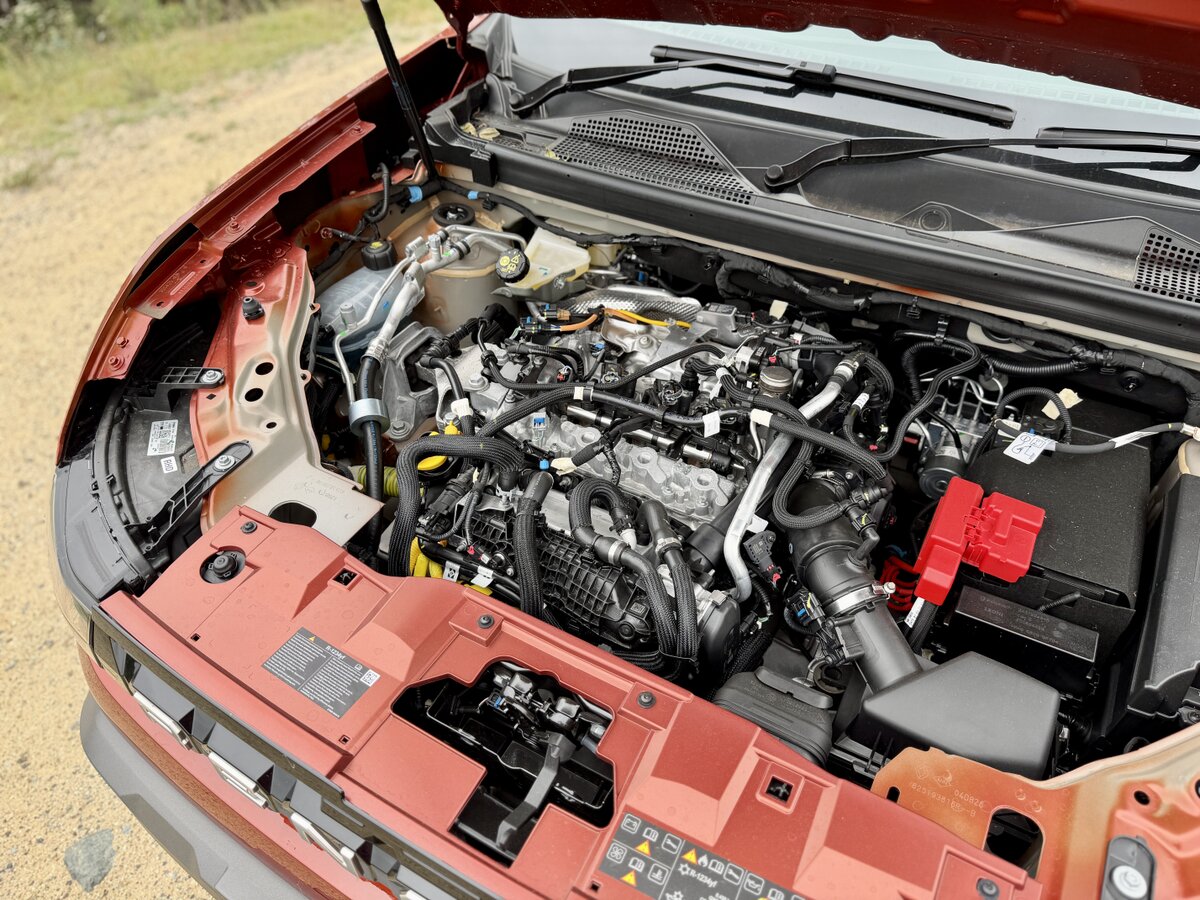
The 4WD gets a 1.2-litre turbo petrol mild-hybrid.
What's it like to live with?
The Duster is best driven like you stole it. Try to be gentle with it and you'll just stall. Peak oomph doesn't arrive until about 2250 rpm.
But get past that point – and once you've eventually overtaken small children, leaves tossed by the wind, etcetera, and reached the speed limit – you'll find yourself smiling. The Duster is fun. It's light, nimble and easy to throw around.
You'd think it would be good on fuel, too. Renault claims 5.7 L/100 km, but during my few days with it, the best I could manage was about 7.
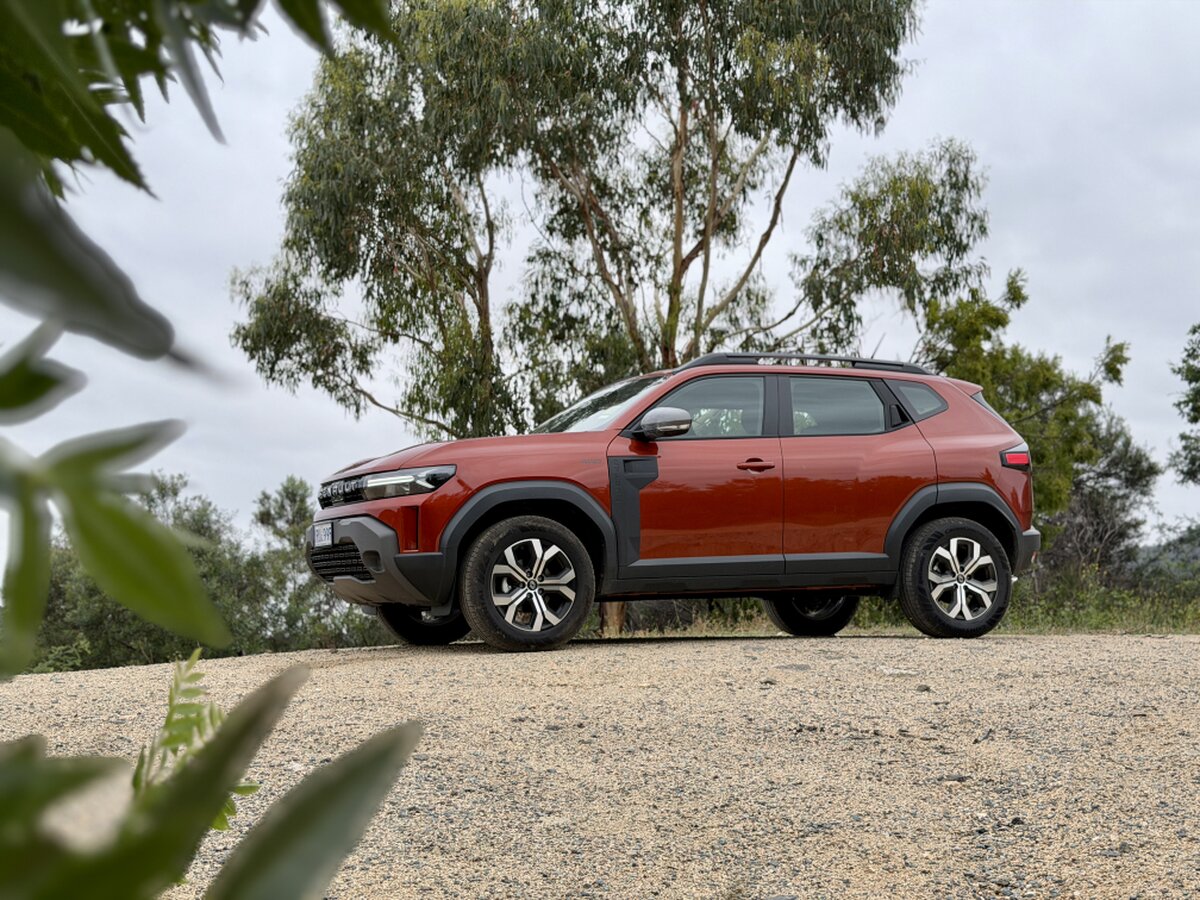
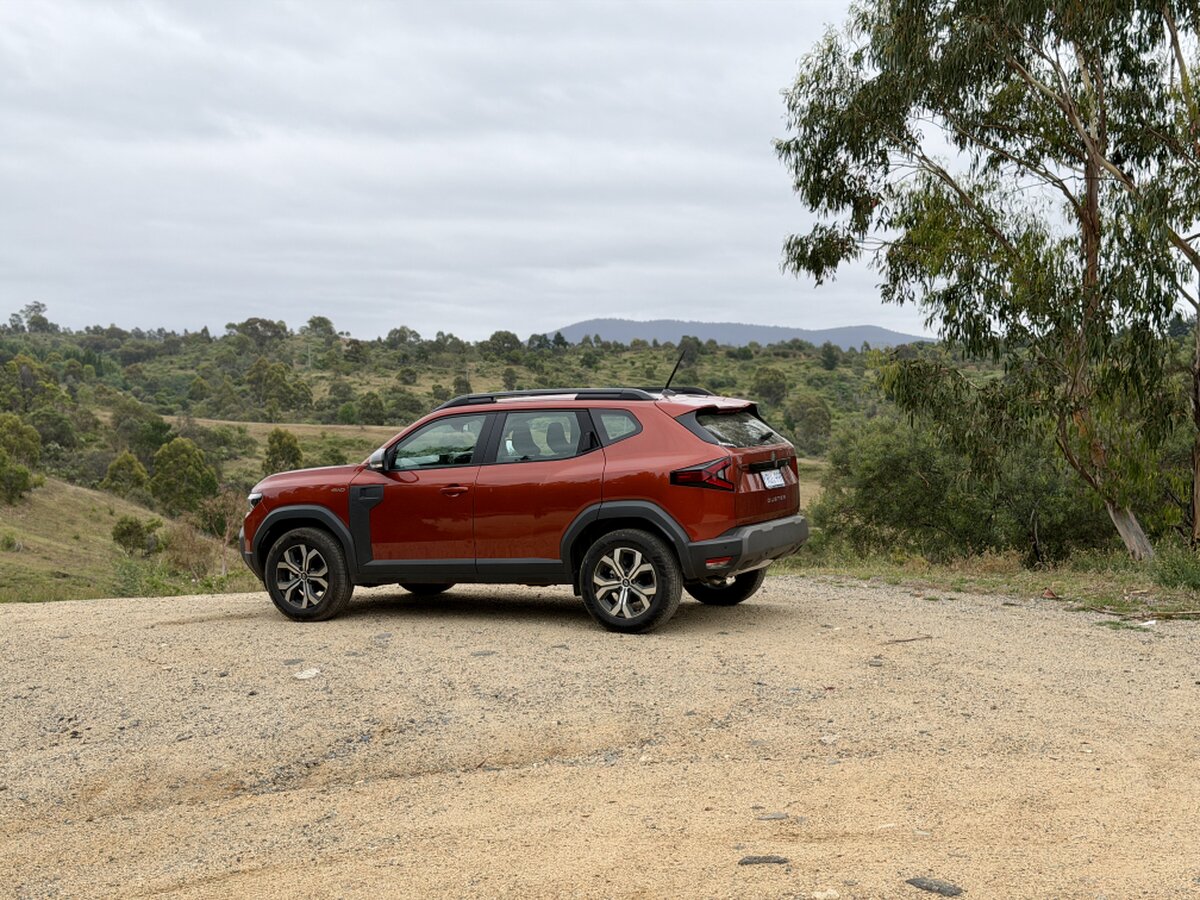
I did attempt some mild off-roading, but those smooth tyres gave up at the first inkling of sandy gravel. Even with the drive-mode dial swiveled to '4WD lock', the Duster was still hopelessly spinning its wheels.
Swipe or scroll sideways · 5 images
Would a set of knobbly BFGoodrichs fix this? Probably. But then, so would a Jimny.
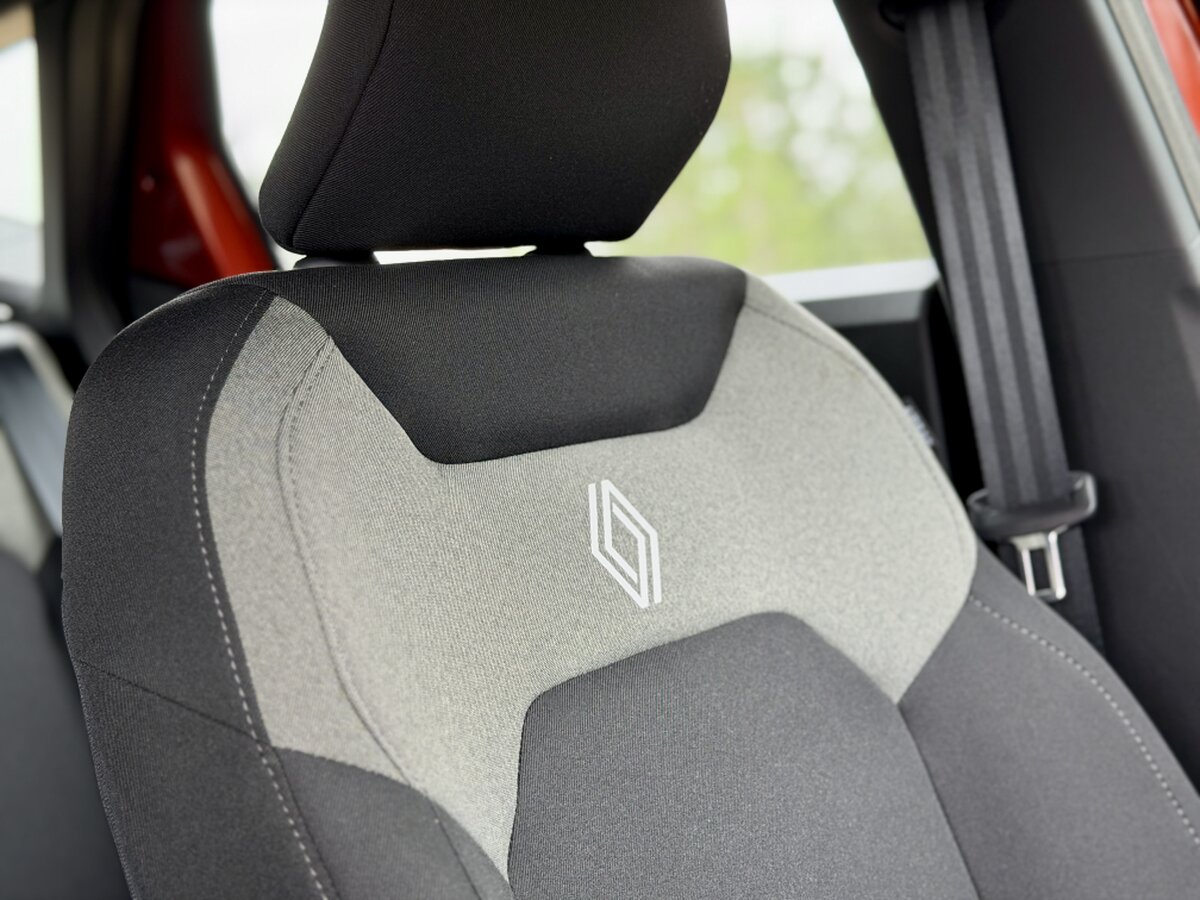
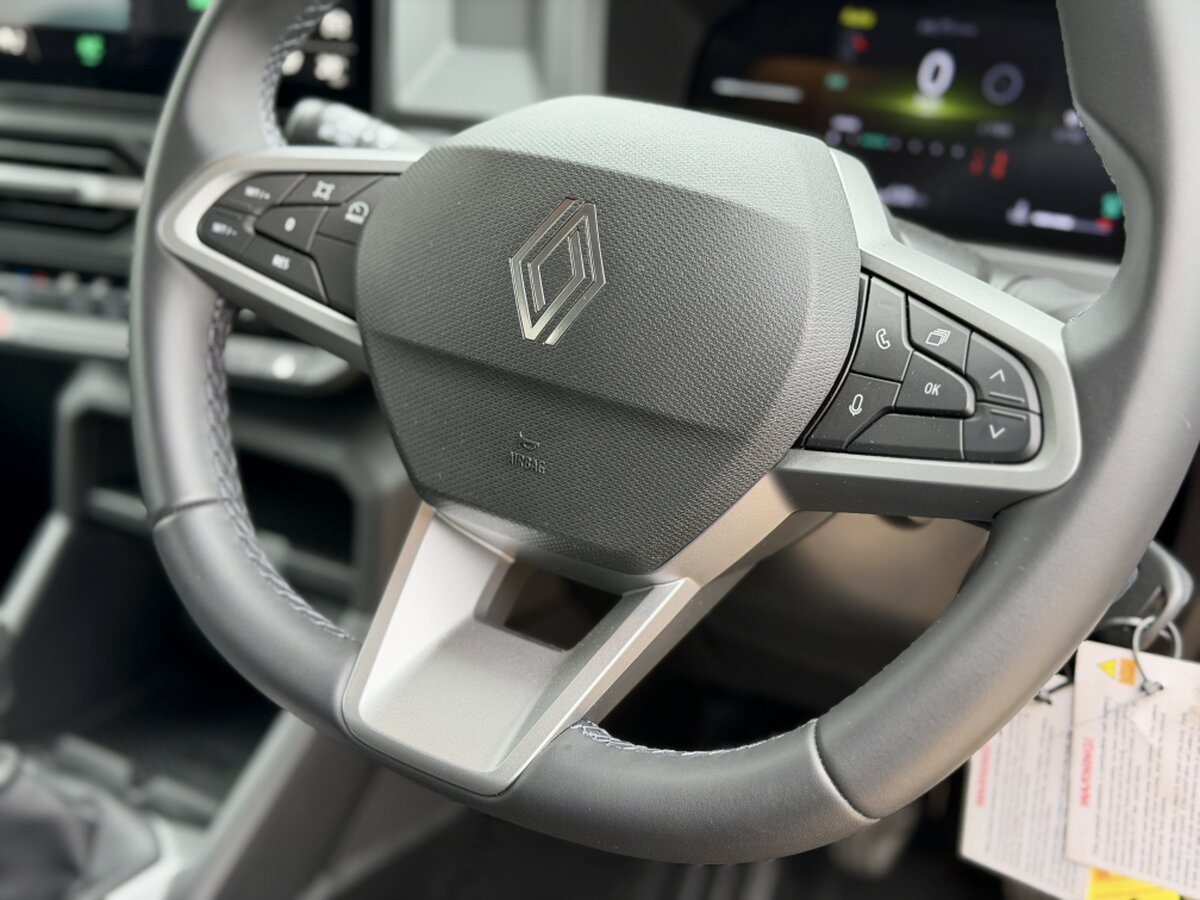
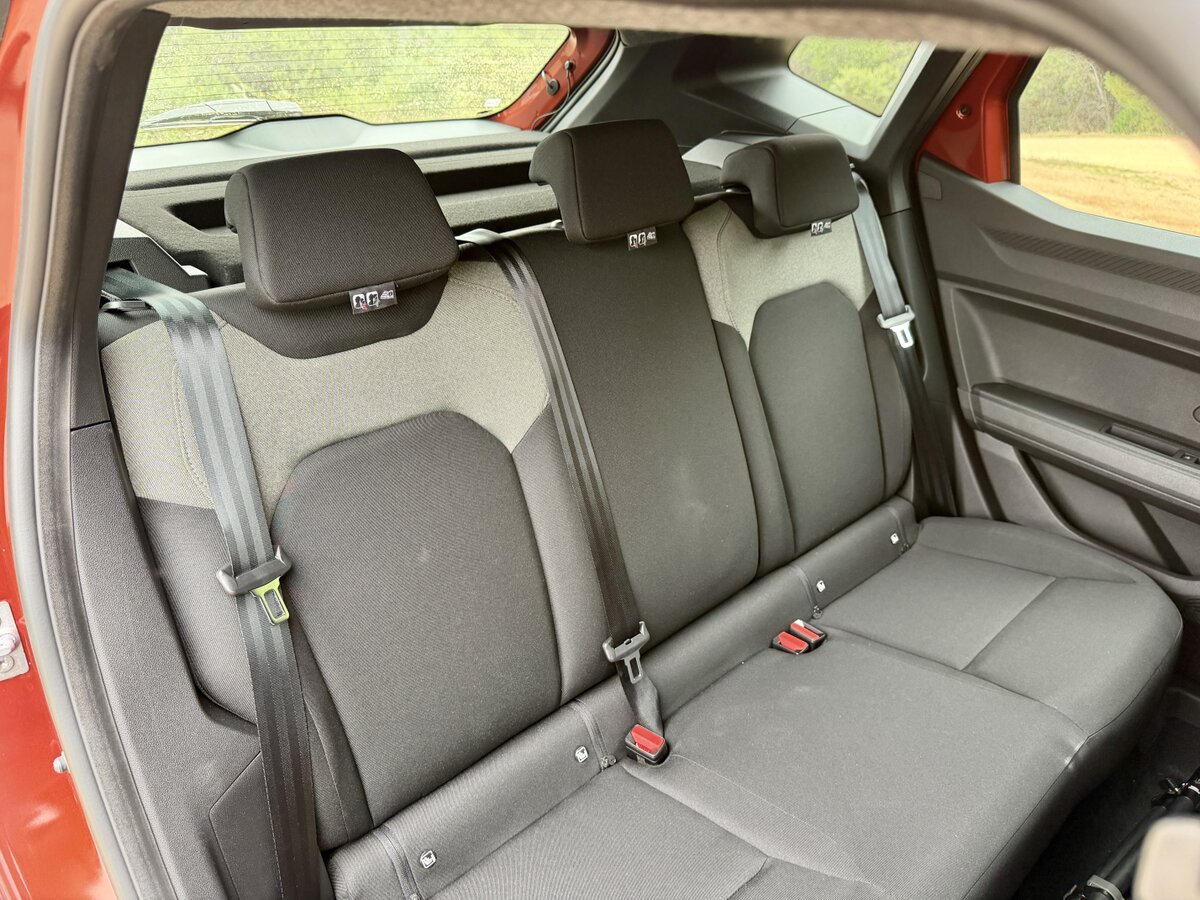
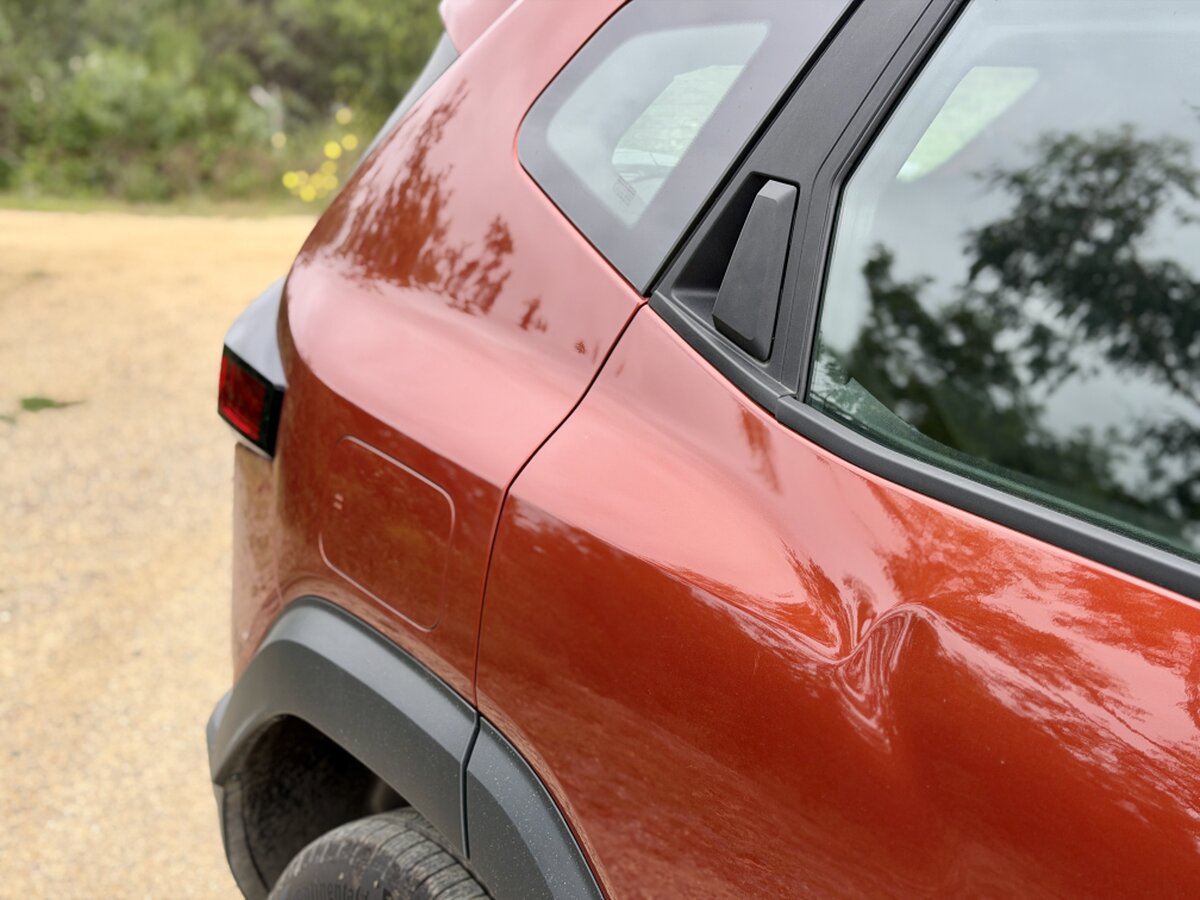
The interior is very basic, starting with the creak from the trim when you pull the door closed. In Evolution spec, the seats are manually adjusted and trimmed in cloth (the pricier Techno material similar to wet suits), and you have to insert the key and twist it to start, like it's 1998 again.
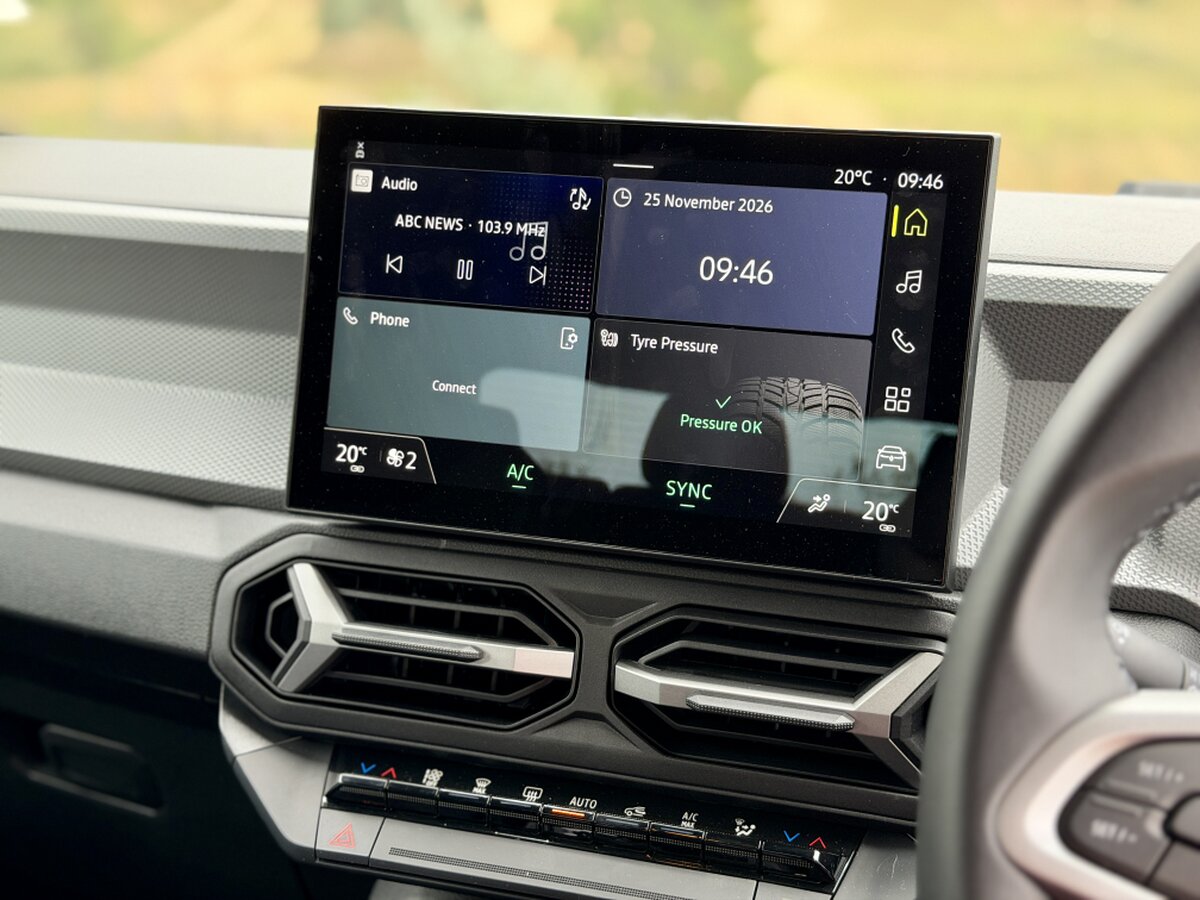
There's a touchscreen and climate-control air-con, and you can connect your phone and charge it wirelessly, but that's about it.
It's also very noisy inside. So if you're driving the Duster the way it's meant to be driven, there won't be much conversation happening.
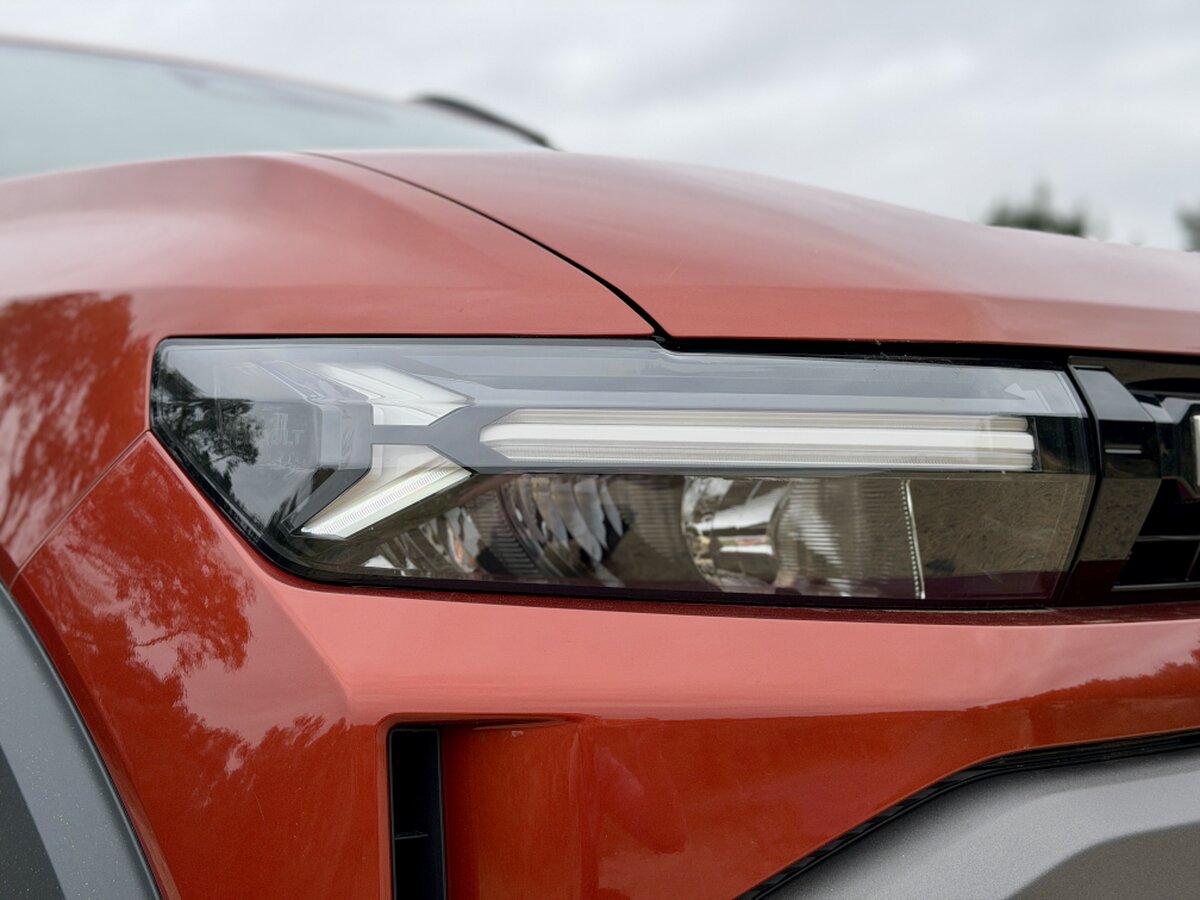
The styling certainly is loveable.
Should you buy it?
You'll get more creature comforts in an MG. And you'll go much further off-road in a Jimny.
But if you're the town-based, bush-hiking-on-the-weekend type who would otherwise be looking at a Subaru Crosstrek or a Toyota Yaris Cross – and you don't mind twisting a key or sitting on wet-suit material – this is a bargain. Especially right now.
The man in the purple-and-pink striped shirt was onto something. The Duster is "extreme pragmatism" and "back-to-basics motoring" – and it's definitely lovable for that.
Just know that's what you're getting yourself in for.
Duster Evolution 4x4 quick specs
- Price: just under $35,000 drive-away (deal ends 31 December)
- Engine: 1.2-litre turbo three-cylinder, 48V mild hybrid
- Outputs: 96 kW / 230 Nm
- Gearbox: 6-speed manual, 4WD
- Fuel: 5.7 L/100 km claimed, about 7 L/100 km on our test
- Boot: 358 L (seats up), 1424 L (seats down)
- Towing: 1500 kg braked
- Safety: 3-star ANCAP (2024)
- Warranty: 5 years, unlimited km
Thanks to National Capital Renault, Tuggeranong, for providing this vehicle for testing.
Previously, on the CARBIDS Blog: This 1913 car owner's manual makes for entertaining reading today
|
|